Sweet Chestnut Embroidery Design Review: A Designer’s Perspective
Embroidery design is an art of precision and personality. When I first opened the Sweet Chestnut embroidery file, I knew it had potential—but only if used thoughtfully. As a designer who frequently works with machine embroidery for custom apparel, handmade products, and boutique branding, I evaluate designs based on how they translate from digital to stitched reality. Let me walk you through my honest take on Sweet Chestnut after testing it in several real-life scenarios.
First Impressions: Warmth and Simplicity
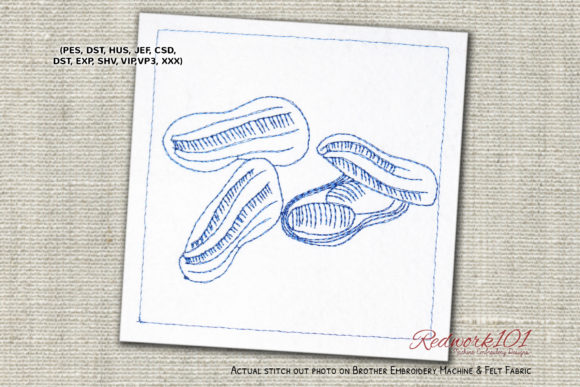
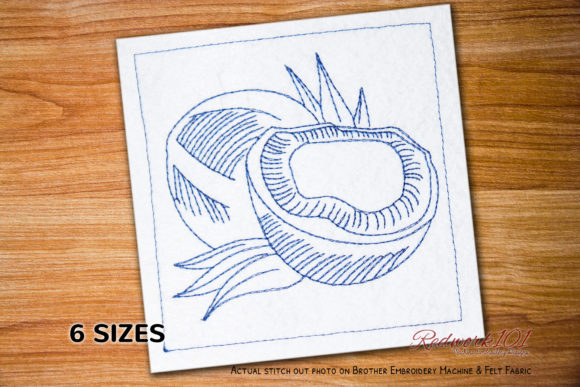
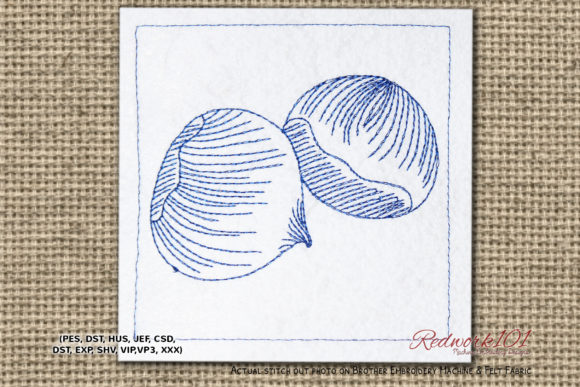
The Sweet Chestnut design immediately gives off a cozy, autumnal vibe. It's a stylized chestnut nestled inside a box stitch border—clean, recognizable, and slightly whimsical. The layout is compact but not cramped, with a balance between negative space and stitching that feels intentional. This makes it ideal for projects where you want a subtle nod to seasonal flavor without overwhelming the fabric or the viewer.
What stands out is the detail level. The texture of the chestnut is suggested through clever use of fill stitches and satin bands, which gives the illusion of depth without being overly complex. For those working in food-themed embroidery, this is a refreshing approach—simple enough to be versatile, yet detailed enough to feel authentic.
Visual Personality and Project Fit
I see Sweet Chestnut fitting best into personalized gifts, custom apparel, and holiday-themed items. Its warm, organic shape works well for tote bags, sweatshirts, aprons, and even nursery decor. It doesn’t scream for attention, but it invites a smile. That kind of quiet charm is perfect for small shop owners and Etsy sellers aiming to build brand consistency with soft, relatable imagery.
Real-World Performance: What Works and What Doesn’t
I tested the design on a few common project types to gauge its versatility:
- Tote Bag Design: The chestnut looked great centered on a cotton canvas tote. The optional box stitch added a nice frame, especially when using a contrasting thread color. On darker fabrics, the chestnut still stood out thanks to its high-contrast inner elements.
- Baby Clothes: While the theme is food-related, the design felt too mature for infant wear unless paired with softer, rounded text or other baby-friendly motifs. Still, it could work as part of a larger collection for holiday gifts.
- Pillow Covers and Aprons: These are ideal surfaces for embroidered patch placement or direct embroidery. The design’s shape and symmetry make it easy to align and look polished once finished.
- Tea Towels and Kitchen Linens: The machine embroidery design translated well here, especially when stitched in muted tones. It adds a decorative touch that elevates the product without being too busy.
However, I noticed some limitations when pushing the design beyond its intended scope. For instance, when trying to fit it into a small hoop size (under 4 inches), the details lost clarity. The same happened when stitching onto stretchy or thin materials—the design needs a bit more support to maintain its structure.
Where to Use Sweet Chestnut with Caution
If you're considering using this design on textured fabrics like flannel or denim, test it first. Textured surfaces can distort the stitch lines, especially in dense areas like the chestnut shell. Thin or stretchy materials may also cause distortion, so consider using a tear-away stabilizer or adjusting stitch density accordingly.
Also, keep in mind that the outer box is often a different color than the main design. If your project requires monochrome or minimalist aesthetics, you might need to adjust the colors manually in your software before stitching. This flexibility is good, but it does require extra attention during setup.
For curved surfaces such as caps or hats, the design might not lay flat properly unless you have experience with shaping embroidery files. And if you're planning to use it for layered garments—like adding it over another embroidered element—you’ll want to review stitch order and layering to avoid shadowing or misalignment.
Design Quality and Stitch Clarity
One of the key strengths of Sweet Chestnut is its clear stitch definition. The satin stitch outlines the chestnut nicely, while the fill stitch adds character without becoming too heavy. This balance helps the design maintain its integrity across different fabrics and thread counts.
Still, I recommend reviewing the stitch density settings before committing to production. In some cases, reducing the density slightly can prevent puckering on lighter-weight cottons. Always test the design on scrap fabric first, especially if you're planning to offer it as a digital embroidery file for resale or use in commercial projects.
Thread Color Contrast and Fabric Background
When I tried stitching Sweet Chestnut on a dark navy background, the design remained legible due to the white inner parts. However, if the design is stitched entirely in brown tones, it might blend into certain backgrounds. To ensure visibility, always check thread color contrast against your chosen fabric.
As an experienced reviewer, I suggest creating black-and-white mockups to simulate how the design will appear under low-light conditions or when printed as a printable mockup for digital product previews. This step is crucial for Etsy sellers and digital product creators who rely on visual appeal to attract buyers.
Customer Reaction and Market Appeal
After showing the finished pieces to a group of crafters and boutique owners, the response was positive. The design felt like a thoughtful addition to everyday items—something people would recognize and appreciate. It’s not just about looks; it’s about product value and giftability.
Many noted that it could serve as a unique handmade product for fall markets or as a holiday gift item. Others saw potential in using it for nursery decor or small shop merchandise, especially if paired with other nature-inspired motifs.
From a business perspective, the design contributes to brand recognition by offering a signature style that feels both professional and personal. Whether you’re a hobbyist or a creative entrepreneur, having a design that evokes warmth and familiarity can boost customer trust and buyer engagement.
Professional and Commercial Considerations
If you plan to use Sweet Chestnut in a commercial embroidery setting, there are a few things to note. First, confirm whether the design includes all necessary layers and colors. Since the outer box is optional and often a different thread color, you may need to tweak the file depending on your client’s preferences.
Also, double-check the licensing terms before selling any finished product or design assets featuring this design. Not all embroidery files come with commercial rights, and it’s important to respect the creator’s guidelines to avoid legal issues down the line.
Designer Tips for Using Sweet Chestnut
- Test on Scrap Fabric: Especially if you’re new to the design or using a different fabric type. This helps identify potential issues with tension or stitch flow.
- Check Thread Color Contrast: Make sure the design pops on your chosen background. Sometimes, swapping one or two colors can dramatically improve its appearance.
- Review Stitch Density: Adjust if needed for your specific material. Too much density can lead to puckering, especially on lightweight or stretchy fabrics.
- Confirm Hoop Size: Don’t assume the design fits every hoop. Some variations may require more space for the full effect.
- Inspect Small Details: Look closely at the chestnut’s grooves and edges. These can become blurry if not supported properly during stitching.
- Use Proper Stabilizer: Tear-away or cut-away stabilizers can help maintain the design’s crispness, particularly on stretchy or delicate materials.
- Consider Placement: Think about where the design will sit on the garment or item. A centrally placed chestnut on a sweatshirt or tote bag feels balanced and intentional.
- Test in Black and White: This ensures the design remains visually appealing even without color.
- Compare Light and Dark Fabrics: See how the design performs across different tones to understand its versatility.
- Check Licensing Before Selling: Always verify that you can legally use the design in your craft business or digital product listings.
Final Thoughts: A Thoughtful Addition to Your Embroidery Kit
Sweet Chestnut isn’t a flashy, bold design, but that’s exactly what makes it valuable. It’s the kind of embroidery project that enhances a product subtly, making it feel handcrafted and meaningful. For those in the food category, it offers a fresh take on edible themes—perfect for cozy sweaters, tea towels, or personalized mugs.
While it shines on cotton-based materials and mid-sized projects, it’s not without its challenges. Stretchy or thin fabrics may require adjustments, and small hooping can compromise detail. But with careful preparation and testing, these hurdles are manageable.
Overall, Sweet Chestnut is a solid choice for designers and makers looking to add a touch of autumnal charm to their handmade shop offerings. It’s a reminder that sometimes less is more—and that thoughtful embroidery can turn a simple item into something memorable.