St. Bernard Dog Lineart: A Versatile Embroidery Design for Boutique Projects
As an experienced embroidery designer with a focus on boutique apparel and small-batch collections, I'm always on the lookout for digital embroidery files that offer both visual appeal and practical adaptability. St. Bernard Dog Lineart caught my eye as a design that could easily bridge the gap between personal expression and commercial viability. Here’s how it performed in my real-world testing across various applications.
First Impressions of St. Bernard Dog Lineart
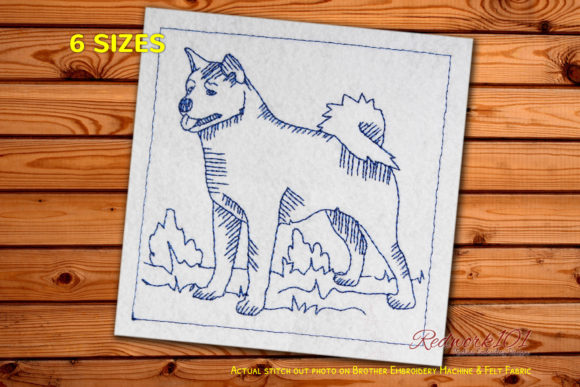
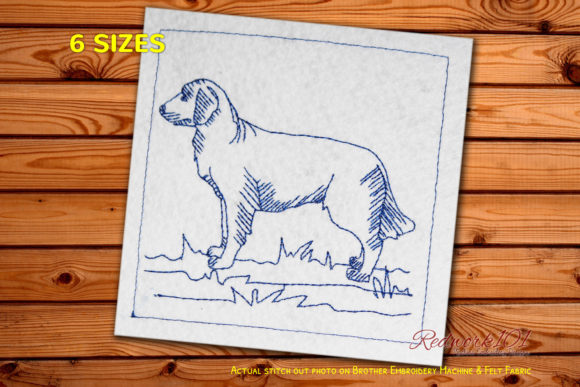
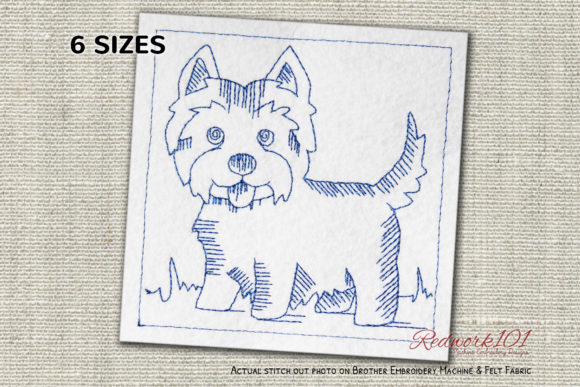
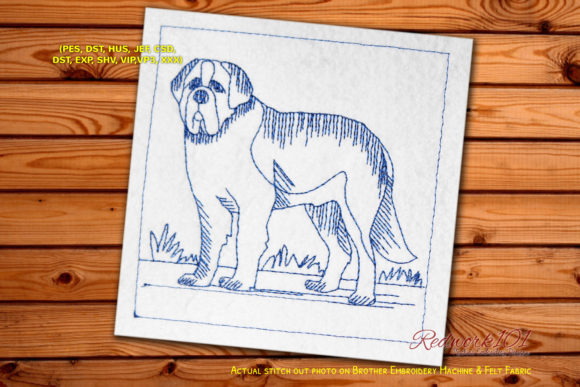
The moment I opened the machine embroidery design, I was struck by its clean and stylized line work. This is not a hyper-detailed or overly complex illustration—it leans into a minimalist aesthetic while still capturing the essence of a St. Bernard. The dog appears noble yet approachable, with just enough character to stand out without overwhelming the viewer. The optional outer box stitch adds a decorative frame, but it's easy to remove if you prefer a cleaner look. The overall mood is premium and classic, making it ideal for brands aiming to create a timeless, handcrafted feel.
While the design doesn’t scream “trendy,” it does exude a subtle charm that works well with both feminine and unisex styles. It’s not particularly playful or rustic, but its soft outlines and balanced proportions give it a versatile personality—cute without being childish, and bold enough to serve as a strong visual anchor on garments.
Sweatshirt Embroidery
For sweatshirt embroidery, especially oversized or cozy seasonal pieces, this design fits perfectly. Its moderate size and open areas make it suitable for chest placement on a standard crewneck without feeling cramped. When scaled up slightly, it becomes a standout feature on the back of a hoodie, lending a touch of sophistication to your collection. The lineart style also plays nicely with the texture of fleece or French terry fabric, adding dimension without muddying the image.
Hoodie Chest Placement and Sleeve Accents
On neutral-toned hoodies, the St. Bernard Dog Lineart stands out beautifully when using bright thread colors like red or blue. For pastel hoodies, consider using darker threads for contrast. As a sleeve accent, the smaller version of the design works well—especially if you’re going for a layered or off-the-shoulder look. However, be mindful of the garment’s stretch; this isn’t a design meant for highly flexible materials unless properly stabilized.
T-Shirt Embroidery
This design is less suited for tight-fitting t-shirts due to its moderate coverage and potential for distortion on curved surfaces. But on relaxed-fit or vintage-style tees, it shines. The minimalistic nature allows it to blend seamlessly with simple color-blocking and modern silhouettes. Just ensure you test it on the specific fabric weight you plan to use, as some cotton blends may require additional stabilizing techniques.
Tote Bag Design
I found the embroidery file to be a great fit for tote bags. Whether embroidered near the top handle or centered on the front panel, it maintains clarity and balance. The outer box can be used creatively to define the shape or omitted entirely for a more organic appearance. Because tote bags are often made from sturdier materials like denim or canvas, the stitch density holds up well without puckering or stretching.
Boutique Merchandise and Lifestyle Product Photos
When designing for a boutique brand or Etsy shop, visual consistency is key. The St. Bernard Dog Lineart offers a professional presentation that aligns well with lifestyle photography. It looks equally at home in a cozy winter hoodie shot against a wool blanket or on a pastel tote bag styled for springtime strolls. The lineart quality ensures sharpness in photos, which is essential for handmade product listings and social media graphics.
Where to Use with Caution
- Small chest placements: The detail level may get lost if the design is too tiny. Scale it appropriately based on your garment size.
- Dense stitch areas: If your machine struggles with high stitch counts, keep an eye on how the design renders in those sections. You may need to adjust stitch density manually.
- Stretchy fabric: Avoid placing the design on spandex-heavy blends unless you're confident in your stabilizer setup.
- Ribbed fabric: The texture of rib knits can cause slight misalignment in intricate lines. Test on scrap material first.
- Dark garments: While the design is adaptable, using light-colored thread on dark fabrics is crucial for visibility. Always review thread color contrast before finalizing production.
- Curved surfaces: On items like tank tops or fitted hoodies, the curvature might distort the shape of the dog’s head or body. Consider using a segmented hoop or adjusting the design layout.
- Tiny lettering: If you include any text within the design (e.g., names or slogans), be cautious about legibility at smaller scales.
- Fabric prone to stretching or wrinkling: Opt for a reinforced backing or extra stabilizer to prevent deformation during the embroidery process.
Impact on Brand Identity and Customer Engagement
One of the most valuable aspects of using St. Bernard Dog Lineart in your custom apparel is how it enhances product recognition. The unique silhouette of a St. Bernard is instantly identifiable, which helps build buyer trust and reinforces brand identity over time. It’s the kind of design that customers remember, and that can boost engagement through repeat orders and word-of-mouth referrals.
Additionally, the design contributes to the perceived value of your finished product. Its premium look elevates basic sweatshirts and hoodies into something special—something that feels like a curated piece rather than a mass-produced item. This is particularly important for Etsy sellers and small shop products where attention to detail makes all the difference.
Designer Tips for Real-World Use
- Test on scrap fabric: Especially if you're using a new type of material like fleece or stretchy knits.
- Check stabilizer choice: Light interfacing may not be enough for denser stitch areas. Try tear-away or cut-away stabilizers depending on fabric type.
- Review thread color contrast: Make sure your chosen thread complements the garment color and highlights the design effectively.
- Confirm hoop size: Some designs may require larger hoops for full coverage. Always check the recommended size in the Creative Fabrica embroidery listing.
- Inspect stitch density: Adjust settings if necessary to avoid over-stitching delicate fabrics or under-stitching heavy ones.
- Test on similar garment fabric: Before committing to a full run, embroider a few samples on the actual material you’ll be using.
- Compare placement options: Try the design on different parts of the garment to find the most flattering and functional spot.
- Check Creative Fabrica product details and licensing: Ensure you understand the terms before selling the finished product.
Use in Social Media and Mockups
The printable mockup included in many Creative Fabrica offerings is helpful for showcasing the design on different apparel types. For online shops, I recommend creating multiple mockups showing the St. Bernard Dog Lineart on white, black, and pastel sweatshirts to demonstrate its versatility. It also pairs well with lifestyle imagery—imagine a model wrapped in a cozy hoodie on a rainy day or carrying a tote bag through a pet-friendly café. These visuals help tell a story and increase customer connection.
Conclusion: A Thoughtful Addition to Your Embroidery Library
In summary, St. Bernard Dog Lineart is a well-crafted digital embroidery file that brings a touch of elegance and familiarity to a wide range of commercial embroidery projects. It’s not the flashiest design, but it’s refined and reliable—perfect for small clothing brands and handmade businesses looking to add a signature element to their collection. Whether you're targeting fall sweaters or summer tote bags, this design has the flexibility and visual strength to support your creative goals.
If you're planning a new line of sweatshirt embroidery or exploring dog-themed designs, I’d recommend giving this one a try—but don’t forget to test it thoroughly before moving into production. With the right preparation, it can become a staple in your embroidery file library and a hit with your audience.