Descending Eagle Design: A Bold Statement for Craft Fairs
First Impressions: Strong and Timeless
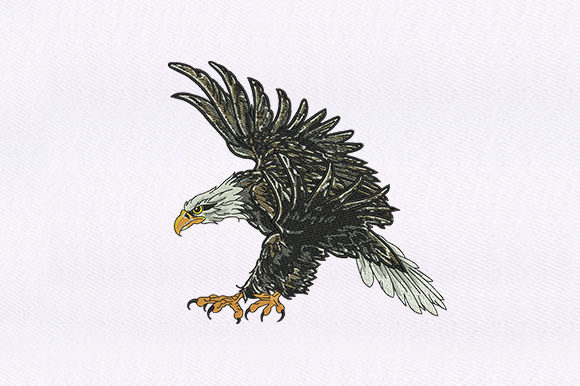
The Descending Eagle Design immediately catches the eye with its commanding presence. As a professional embroidery designer, I can tell you that this design exudes boldness and strength—traits that are often sought after in handmade products, especially those showcased at craft fairs or on Etsy listings. It doesn't scream "cute" or "farmhouse," but rather projects a sense of power and elegance that works well across a range of styles. The title alone suggests a dynamic movement, which is visually appealing and could translate into a memorable embroidery file when stitched properly.Where This Design Shines in Your Booth
When considering how to showcase the Descending Eagle Design, it’s important to think about what products will make it stand out among your craft fair product lineup. Here are some top contenders:
- Tote bags: The eagle’s descending motion looks powerful on a large canvas like a tote bag. Use premium cotton or linen blends for a premium look.
- Aprons: Place the design near the waistband for a subtle yet striking accent. It adds a touch of sophistication to apron embroidery without being too flashy.
- Tea towels: For a more decorative application, stitch the design along the edge or as a central motif. It works best on smooth, white or light-colored fabrics where thread colors pop.
- Patches: An embroidered patch version of this design would be ideal for sew-on items like backpacks, jackets, or denim accessories. Make sure to check the stitch density so it holds up during handling.
- Caps: Curved surfaces can be tricky, but the shape of the eagle allows for creative placement. Consider using a smaller hoop size and testing on a mock cap before production.
- Fabric pouches and pillow covers: These small shop products benefit from a strong focal point. The Descending Eagle Design can serve as a brand-defining element if placed correctly.
Best Bets for Visual Impact
If you’re aiming to draw attention to your handmade product booth, place the Descending Eagle Design on a market bag or pillow cover. Its bold nature makes it perfect for creating a visual anchor. On tote bags, it can double as both functional and fashionable, especially if paired with minimalist color palettes. The design's structure also allows it to photograph well, making it a solid choice for printable mockups and online Etsy seller listings.
Practical Production Insights
As an embroidery designer who regularly prepares for craft fair displays, I know that practicality matters just as much as aesthetics. Here’s how the Descending Eagle Design performs in terms of ease and repeatability:
- At-a-glance appeal: The eagle is easily recognizable even from a distance, which helps customers pick up on your design assets quickly.
- Size flexibility: While the design feels strongest as a medium to large feature, it can work as a small accent on patches or pouches. However, avoid shrinking it too much, as fine details may become lost.
- Photography-friendly: The symmetry and bold lines of the eagle lend themselves well to high-quality images, essential for boosting visibility in handmade shop platforms.
- Batch production: With support for multiple embroidery file formats (10O, ART, CND, DSB, DST, DSZ, EXP, HUS, JEF, PCS, PEC, PES, TAP, VIP, VP3, XXX), the design is versatile enough for use across different machines and setups. Just ensure consistent results by confirming hoop size and using proper stabilizer materials.
Things to Watch Out For
Before diving into full production, keep these key considerations in mind:
- Dense stitch areas: The wings and body of the eagle might require extra stabilizing, especially on stretchy or thin fabrics.
- Tiny details: If your version includes feathers or intricate shading, test on scrap fabric first. These elements may not hold up well on textured or thick materials like canvas or burlap.
- Small lettering: If the design includes text, such as names or mottos, consider enlarging it slightly for better readability on finished products.
- Dark fabric: Thread contrast is crucial. Try stitching on light-toned backgrounds first to see how the colors come through. Darker fabrics may mute the effect unless you use metallic or contrasting threads.
- Curved surfaces: When applying the design to caps or curved pouches, adjust the layout accordingly to maintain proportion and clarity.
Boosting Your Brand and Booth Display
The Descending Eagle Design has the potential to elevate your small shop product offerings. It conveys a sense of quality and intentionality, which is vital for handmade products competing in a crowded craft fair environment. The design’s visual weight ensures it won’t get lost on your table display, especially when paired with complementary embroidery designs in the same theme or style.
For brand consistency, repeat the design across multiple product types—like totes and tea towels—to create a cohesive look. Customers are more likely to remember and return to a booth that presents a unified aesthetic.
Customer Engagement and Product Value
This design is particularly effective at engaging buyers because it tells a story. The descending motion evokes imagery of freedom, courage, or natural beauty—depending on how you present it. Pair it with thoughtful packaging or a short narrative in your craft fair product tags, and it becomes more than just a decoration; it turns into a meaningful keepsake.
In terms of product value, the Descending Eagle Design can justify a mid-to-high price point when applied to quality materials. It’s especially effective on items like custom aprons or decorative pillows, where the detail and craftsmanship are clearly visible.
Designer Tips for Success
Here are a few professional embroidery designer tips to help you get the most out of the Descending Eagle Design:
- Test on scrap fabric before final production to check how the design behaves on different textures and weaves.
- Review spacing within the design to ensure it fits comfortably within the intended hoop area without crowding other elements.
- Compare fabric colors to find the ones that highlight the design best. Light, neutral tones usually work well for bold embroidery.
- Create a real mockup for your booth. Seeing the design in person gives you a better idea of its scale and impact compared to digital previews.
- Confirm commercial licensing if you plan to sell the finished product. This is critical for digital sellers and commercial embroidery ventures.
Thread and Fabric Choices Matter
Thread colors should be chosen carefully. If the design uses dark hues, they may not show up as vividly on darker fabrics. Conversely, metallic or variegated threads can add depth and interest to lighter materials. Always check thread colors against your fabric choices to ensure the design remains sharp and vibrant.
Final Thoughts for Creative Entrepreneurs
The Descending Eagle Design is a strong candidate for a variety of machine embroidery design applications. Whether you're preparing for a weekend craft fair or planning your next handmade product launch, this design brings a sense of purpose and artistry that stands out. Its versatility across file formats and product types makes it a reliable addition to any digital embroidery file collection.
Remember to always take time to review the design in person and test it on your preferred materials. With the right preparation, the Descending Eagle Design can become a signature piece in your line of embroidered products, helping you build a stronger brand and increase buyer engagement at every event.